
How to Stop Negative Self-Talk and Build Confidence Naturally
How to Stop Negative Self-Talk and Build Confidence Naturally
What Is Negative Self-Talk?
What Is Negative Self-Talk?Negative self-talk is the habit of criticizing yourself through internal thoughts. It often involves focusing on mistakes, weaknesses, or imagined failures while ignoring your strengths and achievements.What Is Negative Self-Talk?
Common examples include:
- I’m not smart enough.
- I always mess things up.
- Nobody likes me.
- I’ll never succeed.
These thoughts can become automatic, making it difficult to recognize how much they influence your emotions and behavior.What Is Negative Self-Talk?
Why Negative Self-Talk Hurts Your Confidence
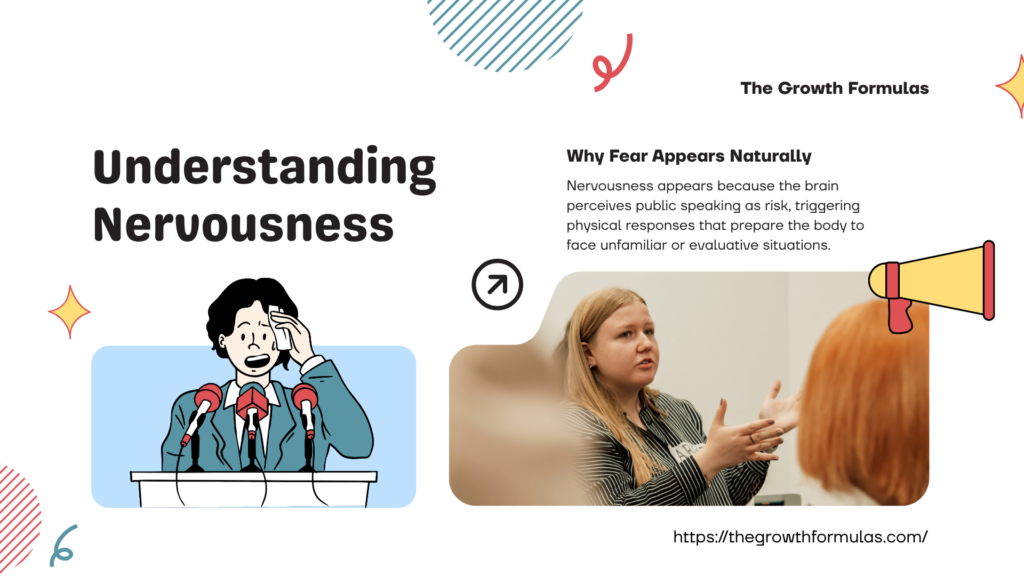
Your brain believes what it hears repeatedly. When you constantly tell yourself negative things, your confidence begins to shrink. Over time, negative selftalk can lead to:
- Low self-esteem
- Increased stress and anxiety
- Fear of failure
- Lack of motivation
- Difficulty achieving personal goals
Building confidence starts with changing the conversations you have with yourself every day.

7 Effective Ways to Stop Negative Self-Talk
1. Challenge Your Inner Critic
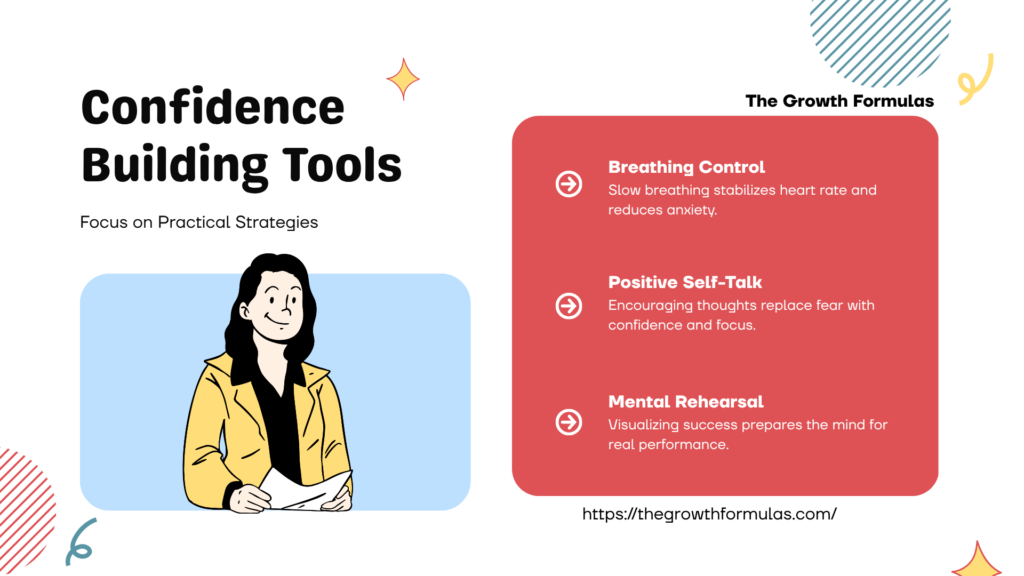
Not every thought is true. When a negative thought appears, question it.
For example:
Instead of saying, “I’m terrible at presentations,” try:
“I feel nervous during presentations, but I can improve with practice.”
This small shift creates a healthier and more realistic perspective.
2. Identify Your Negative Thoughts
The first step is awareness. Pay attention to the thoughts that appear when you face challenges or make mistakes.
Ask yourself:
- Is this thought based on facts?
- Would I say this to a friend?
- Am I being overly critical?
Recognizing negative thought patterns helps you break the cycle.
3. Focus on Your Strengths
Many people spend too much time thinking about their weaknesses and forget their strengths.
Create a list of:
- Skills you possess
- Achievements you’re proud of
- Challenges you’ve overcome
- Positive qualities others appreciate
Reviewing this list regularly can boost self-confidence and remind you of your capabilities.
4. Set Small, Achievable Goals
Confidence grows through action. Start with small goals that you can accomplish consistently.
Examples include:
- Reading for 15 minutes daily
- Exercising three times a week
- Learning one new skill each month
Every success, no matter how small, strengthens your belief in yourself.
5. Replace Negative Thoughts with Positive Self-Talk
Positive self-talk doesn’t mean pretending everything is perfect. It means speaking to yourself with encouragement and compassion.
Try replacing:
- “I can’t do this” with “I can learn this.”
- “I always fail” with “Mistakes help me grow.”
- “I’m not good enough” with “I am improving every day.”
Positive self-talk is one of the most powerful tools for building confidence.
6. Practice Self-Compassion
Nobody is perfect. Everyone makes mistakes and faces setbacks.
Instead of criticizing yourself for every error, treat yourself with the same kindness you would offer a friend.
Remember:
Progress is more important than perfection.
Self-compassion helps reduce negative thinking and supports long-term personal growth.
7. Surround Yourself with Positive Influences
The people around you can affect how you think about yourself.
Spend more time with individuals who:
- Encourage your growth
- Support your goals
- Provide constructive feedback
- Inspire a positive mindset
Positive environments make it easier to overcome negative self-talk.

Some – Daily Habits That Build Confidence
If you want to build confidence consistently, make these habits part of your routine:
- Write down three things you’re grateful for each day.
- Keep a journal of your achievements.
- Exercise regularly.
- Learn new skills.
- Celebrate small wins.
- Use positive affirmations.
- Limit comparisons with others.
These simple habits gradually strengthen selfconfidence and create a healthier mindset.
9 – Reasons Why You Wake Up Tired Even After a Long Sleep (And When You Should See a Doctor)
Dopamine Detox ?
Source:
Mayo Clinic – Positive Thinking: Stop Negative Self-Talk to Reduce Stress




2 Comments