
Foods That Improve Brain Health: 10 The Ultimate Guide to Eating Smarter, Remembering More, and Protecting Your Mind
foods-that-improve-brain-health
Introduction
Your brain is one of the hardest-working organs in your body. Even though it makes up only about 2% of your body weight, it uses nearly 20% of your daily energy. Every thought you have, every memory you create, every decision you make, and every emotion you experience depends on a healthy brain.
Many people focus on eating well for weight loss or heart health, but they often overlook the importance of nutrition for the brain. The food you eat directly affects how well you think, learn, concentrate, and remember information. A poor diet can lead to brain fog, low energy, mood swings, and reduced mental performance over time. On the other hand, a nutrient-rich diet can sharpen your focus, improve memory, support emotional well-being, and even reduce the risk of age-related cognitive decline.
The good news is that you don’t need expensive supplements or trendy “superfoods” to nourish your brain. Many of the best brain-boosting foods are affordable, easy to find, and simple to include in your daily meals.
In this guide, you’ll discover the science behind brain nutrition, the best foods for improving brain health, and practical ways to incorporate these foods into your everyday routine.
Why Nutrition Matters for Brain Health
Your brain is constantly working- even while you sleep. It relies on a steady supply of nutrients to build new brain cells, protect neurons from damage, produce neurotransmitters, and maintain healthy blood flow.
A brain-friendly diet helps:
- Improve memory and learning ability
- Increase concentration and focus
- Enhance mood and emotional balance
- Reduce inflammation
- Protect against oxidative stress
- Support healthy aging
- Lower the risk of Alzheimer’s disease and dementia
Research consistently shows that long-term eating habits have a significant impact on cognitive health. Choosing nutrient-dense foods today can benefit your brain for years to come.vBrain Health
1. Fatty Fish: The Ultimate Brain Food.Foods That Improve Brain Health
When experts discuss brain nutrition, fatty fish almost always tops the list.Brain Health
Fish such as salmon, sardines, trout, tuna, and mackerel are rich in omega-3 fatty acids, particularly DHA (docosahexaenoic acid), which forms a major structural component of the brain.
Omega-3 fats help maintain healthy brain cells, improve communication between neurons, reduce inflammation, and support memory formation. Studies suggest that people who consume fish regularly often experience slower cognitive decline as they age.
If you don’t eat fish, plant-based sources like flaxseeds, walnuts, and chia seeds can provide ALA omega-3s, though the body converts only a small amount into DHA.
Easy Ways to Eat More Fatty Fish
- Grilled salmon with vegetables
- Tuna sandwich on whole-grain bread
- Sardines on whole-grain toast
- Baked trout with brown rice
2. Blueberries: Nature’s Brain-Protecting Fruit
Blueberries are often called a “brain superfood” because they’re packed with antioxidants known as anthocyanins.
These powerful compounds help reduce oxidative stress and inflammation, both of which contribute to brain aging and memory decline.
Research suggests that blueberries may improve communication between brain cells and enhance memory performance.
Adding a handful of blueberries to your breakfast is one of the easiest ways to support long-term brain health.Foods That Improve Brain HealthBrain Health
Delicious Ideas
- Blend into smoothies
- Add to oatmeal
- Mix into yogurt
- Eat as a snack
3. Walnuts: The Brain-Shaped Superfood
It’s no coincidence that walnuts resemble the human brain.
Walnuts are loaded with healthy fats, antioxidants, vitamin E, and plant-based omega-3 fatty acids.
Vitamin E helps protect brain cells from oxidative damage, while healthy fats support communication between neurons.
Regular walnut consumption has been linked to better memory, faster thinking, and improved cognitive performance.
A small handful each day is enough to provide meaningful nutritional benefits.
4. Eggs: A Complete Brain Nutrition Package
Eggs are one of the most nutrient-dense foods available.
They’re an excellent source of:
- Choline
- Vitamin B12
- Folate
- Protein
Choline is especially important because the brain uses it to produce acetylcholine, a neurotransmitter involved in memory and learning.
Vitamin B12 and folate help maintain healthy nerve cells and reduce levels of homocysteine, an amino acid associated with cognitive decline when elevated.
Starting your day with eggs provides lasting energy while supporting healthy brain function.Foods That Improve Brain Health
>>>Why you Feel Tired All the Time<<<<
5. Dark Chocolate: A Smart Treat
Good news for chocolate lovers-dark chocolate can actually benefit your brain when enjoyed in moderation.
Dark chocolate contains flavonoids, magnesium, iron, and natural stimulants like caffeine.
Flavonoids improve blood flow to the brain, while magnesium supports nerve function and relaxation.
A small piece of dark chocolate (70% cocoa or higher) may improve concentration, mood, and short-term memory.
Just remember that moderation is key because chocolate can also contain sugar and calories.
6. Leafy Green Vegetables
Spinach, kale, broccoli, and other leafy greens are packed with nutrients that help slow brain aging.
These vegetables provide:
- Vitamin K
- Folate
- Lutein
- Beta-carotene
- Vitamin C
Scientists believe these nutrients help preserve memory and protect brain cells from damage.
Aim to include leafy greens in at least one meal every day.
Easy options include salads, smoothies, soups, and stir-fries.
7. Pumpkin Seeds
Pumpkin seeds may be small, but they’re nutritional powerhouses.
They’re rich in:
- Zinc
- Iron
- Magnesium
- Copper
Each mineral plays a unique role in brain health.
Magnesium supports learning and memory.
Zinc assists nerve signaling.
Iron helps transport oxygen throughout the brain.
Copper supports communication between brain cells.
A handful makes an excellent afternoon snack.Foods That Improve Brain Health
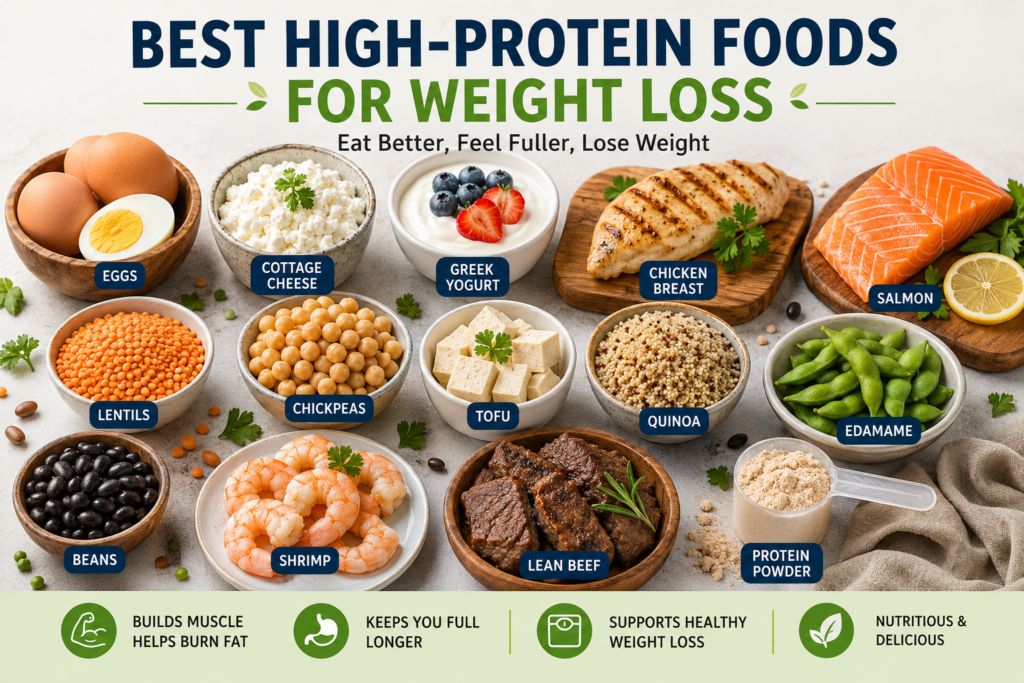
>>>>Best High-Protein Foods for Weight Loss: 15 Foods That Keep You Full Longer<<<<
8. Avocados
Healthy fats are essential for brain function, and avocados provide plenty of heart-healthy monounsaturated fats.
These fats improve blood circulation, helping deliver oxygen and nutrients to the brain.
Avocados also contain potassium and folate, which further support healthy brain function.
Spread avocado on toast, add it to salads, or blend it into smoothies for a creamy, nutritious boost.Foods That Improve Brain Health
9. Oranges and Citrus Fruits
Vitamin C is one of the brain’s strongest defenders against oxidative damage.
One medium orange provides enough vitamin C for most adults’ daily needs.
Vitamin C supports neurotransmitter production and may reduce the risk of cognitive decline over time.
Other excellent sources include lemons, limes, strawberries, kiwi, and bell peppers.
10. Green Tea
Green tea offers a unique combination of caffeine and L-theanine.
Unlike coffee, green tea provides gentle alertness without causing excessive jitters.
L-theanine promotes calmness while caffeine enhances focus and concentration.
Together, they create an ideal balance for productivity and mental clarity.
Green tea is also rich in antioxidants that protect brain cells from aging
>>>>How Free Porn Affects Mental Health ? What Research Says – 5<<<<
.
sources
- Harvard T.H. Chan School of Public Health – https://www.hsph.harvard.edu/