Best Foods for Pregnancy: A Complete Nutrition Guide for Expecting Mothers
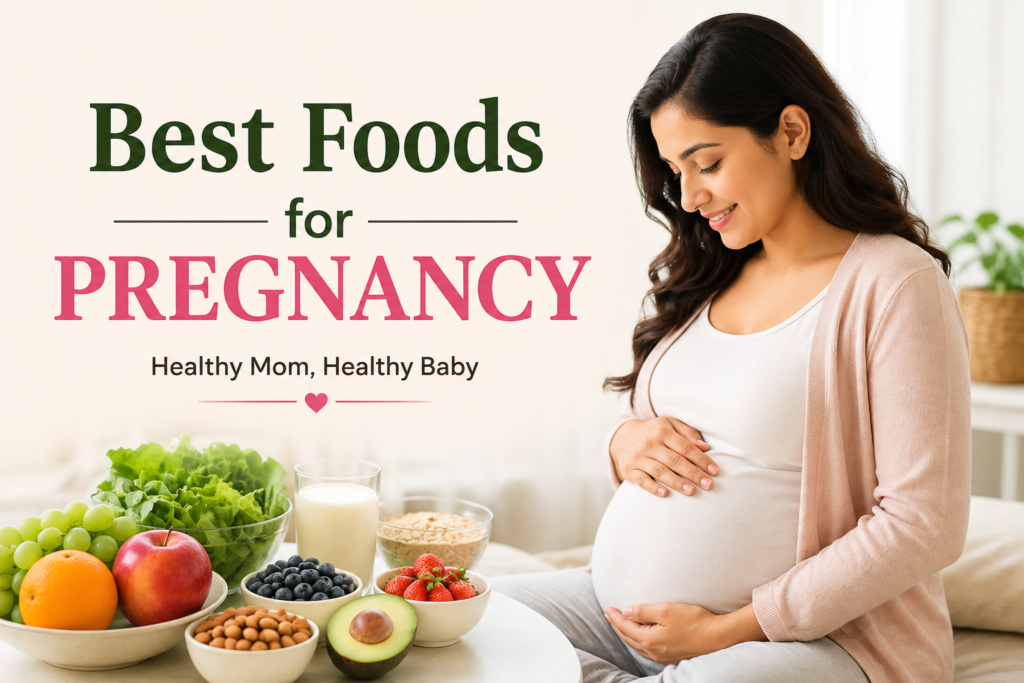
Best Foods for Pregnancy: A Complete Nutrition Guide for Expecting Mothers
Pregnancy is one of the most transformative journeys a woman’s body will ever go through. Every meal you eat now does double duty > nourishing you while helping build a brand-new human being, cell by cell. It’s no wonder so many expecting mothers find themselves standing in the kitchen wondering, “Is this actually good for my baby?”
The good news is that eating well during pregnancy doesn’t have to be complicated, restrictive, or expensive. It’s really about choosing nutrient-dense foods that deliver the vitamins, minerals, protein, and healthy fats your growing baby needs at each stage of development. In this guide, we’ll walk through the best foods for pregnancy, the key nutrients you should prioritize, foods to approach with caution, and simple ways to build balanced meals throughout each trimester.
Why Nutrition Matters So Much During Pregnancy
During pregnancy, your body’s nutritional demands increase significantly. You’re not just eating for energy anymore -> you’re supplying the raw materials for your baby’s brain, bones, blood, organs, and immune system. Deficiencies in key nutrients like folate, iron, calcium, and DHA have been linked to complications ranging from neural tube defects to low birth weight and preterm delivery.
At the same time, pregnancy is not a green light to “eat for two” in terms of calories. Most women only need an extra 300-450 calories per day in the second and third trimesters — the emphasis should be on nutrient density rather than sheer quantity. This means choosing whole, minimally processed foods that pack the most nutritional value into every bite.
Key Nutrients Every Pregnant Woman Needs
Before diving into specific foods, it helps to understand which nutrients matter most during pregnancy and why.
Best Foods for Pregnancy
1. Folate (Vitamin B9)
Folate is critical in the first trimester for preventing neural tube defects, which affect the brain and spinal cord. It’s why doctors recommend starting folic acid supplementation even before conception, ideally.
Best food sources: Leafy greens (spinach, kale), lentils, chickpeas, asparagus, avocado, and fortified cereals.Best Foods for Pregnancy
2. Iron
Blood volume increases by nearly 50% during pregnancy, and iron is essential for producing the hemoglobin needed to carry oxygen to both you and your baby. Iron deficiency is one of the most common nutritional gaps in pregnancy and can lead to fatigue and anemia.
Best food sources: Lean red meat, poultry, lentils, beans, spinach, and fortified grains. Pairing iron-rich plant foods with vitamin C (like citrus or bell peppers) boosts absorption significantly.Best Foods for Pregnancy
3. Calcium and Vitamin D
Your baby needs calcium to build strong bones and teeth, and if your intake is insufficient, your body will pull calcium from your own bones to compensate. Vitamin D works alongside calcium to support absorption and also plays a role in immune function.
Best food sources: Dairy products (milk, yogurt, cheese), fortified plant milks, sardines with bones, tofu, and leafy greens. Vitamin D comes from fortified foods, egg yolks, fatty fish, and sensible sun exposure.Best Foods for Pregnancy
4. Omega-3 Fatty Acids (DHA)
DHA is a type of omega-3 fat that’s crucial for the development of your baby’s brain and eyes, particularly during the third trimester when brain growth accelerates rapidly.
Best food sources: Low-mercury fatty fish like salmon, sardines, and trout, along with walnuts, chia seeds, flaxseeds, and algae-based supplements for those who don’t eat fish.Best Foods for Pregnancy
5. Protein
Protein supports the growth of fetal tissue, including the brain, and also helps your own body build the extra blood supply pregnancy requires.
Best food sources: Eggs, poultry, fish, beans, lentils, Greek yogurt, tofu, and nuts.Best Foods for Pregnancy
6. Fiber
Constipation is one of the most common (and least glamorous) pregnancy complaints, largely due to hormonal changes and iron supplementation. Fiber helps keep digestion moving smoothly.Best Foods for Pregnancy
Best food sources: Whole grains, fruits, vegetables, beans, and legumes.
The Best Foods for Pregnancy, Category by Category
Now let’s get into the specifics the actual foods you’ll want to stock in your kitchen.
Leafy Greens and Vegetables
Spinach, kale, Swiss chard, and broccoli are nutritional powerhouses during pregnancy. They’re loaded with folate, iron, calcium, vitamin K, and fiber, all while being low in calories. Sweet potatoes are another standout they’re rich in beta-carotene, which your body converts to vitamin A, essential for your baby’s eye and skin development (note that too much preformed vitamin A from animal sources or supplements can be harmful, but beta-carotene from plants is safe).
Try adding a handful of spinach to smoothies, soups, or omelets, or roasting sweet potatoes as an easy side dish.
Eggs
Eggs are often called nature’s multivitamin, and for good reason. One egg contains high-quality protein along with choline, a nutrient that’s absolutely essential for fetal brain development and has been shown to support long-term cognitive function. Most pregnant women don’t get enough choline, making eggs an easy and affordable way to close that gap. Just make sure eggs are fully cooked to reduce the risk of salmonella.
Legumes: Lentils, Chickpeas, and Beans
Legumes are an unsung hero of pregnancy nutrition. They’re rich in fiber, protein, folate, iron, calcium, and zinc nearly a complete nutritional package in one humble ingredient. Lentil soups, chickpea curries, black bean tacos, and hummus are all delicious, budget-friendly ways to work more legumes into your diet while also helping manage constipation and stabilize blood sugar.
Berries
Blueberries, strawberries, and raspberries are packed with antioxidants, vitamin C, and fiber, all while being relatively low in sugar compared to other fruits. Vitamin C not only supports your immune system but also helps your body absorb iron more efficiently from plant sources. Berries make a perfect snack on their own or blended into a smoothie with Greek yogurt.
Fatty Fish (Low-Mercury Varieties)
Salmon, sardines, and trout are excellent sources of DHA and protein, both of which are critical for fetal brain development. The general guidance is to aim for 2-3 servings of low-mercury fish per week while avoiding high-mercury species like swordfish, king mackerel, shark, and tilefish, which can be harmful to a developing nervous system.
Greek Yogurt
Greek yogurt is an excellent source of calcium and protein, and it also contains probiotics that support gut health something that can be particularly helpful given the digestive slowdown many women experience during pregnancy. Choose plain, unsweetened varieties when possible to avoid added sugars, and top with fruit or a drizzle of honey for natural sweetness.
Whole Grains
Oats, quinoa, brown rice, and whole wheat bread provide sustained energy through complex carbohydrates, along with fiber, B vitamins, and minerals like magnesium and selenium. Whole grains help prevent the blood sugar spikes and crashes that can worsen pregnancy fatigue, and the fiber content supports healthy digestion.
Oatmeal, in particular, is a fantastic breakfast choice, it’s filling, easy on the stomach during first-trimester nausea, and can be dressed up with fruit, nuts, or a spoonful of nut butter.
Nuts and Seeds
Almonds, walnuts, chia seeds, and flaxseeds provide healthy fats, protein, fiber, and minerals like magnesium and zinc. Walnuts and flaxseeds are particularly valuable for their plant-based omega-3 content. A small handful of mixed nuts makes an easy, portable snack that helps keep blood sugar stable between meals.
Avocados
Avocados are rich in healthy monounsaturated fats, fiber, potassium, and folate. The potassium content can help ease leg cramps, a common complaint in later pregnancy, while the fiber and healthy fat combination supports both digestion and fetal brain development. Avocado toast, guacamole, or simply sliced avocado with a sprinkle of salt are all easy ways to enjoy it.
Lean Meats and Poultry
Chicken, turkey, and lean cuts of beef provide high-quality, easily absorbed protein and iron. Red meat in particular is one of the best dietary sources of heme iron, which the body absorbs more efficiently than the non-heme iron found in plant foods. Just be sure meats are cooked thoroughly to reduce the risk of foodborne illness.
Dairy Products
Milk, cheese, and cottage cheese provide calcium, protein, and often vitamin D (when fortified). Dairy is one of the most efficient ways to meet increased calcium needs during pregnancy, supporting your baby’s developing skeleton while protecting your own bone density.
Citrus Fruits
Oranges, grapefruits, and other citrus fruits are excellent sources of vitamin C and folate, along with hydration since they have high water content. Vitamin C supports immune function and, as mentioned earlier, enhances iron absorption when eaten alongside iron-rich foods.
Water-Rich Foods and Hydration
While not a single food, staying well hydrated deserves a mention here. Cucumbers, watermelon, and soups all contribute to fluid intake, which is especially important during pregnancy as blood volume increases and dehydration can contribute to headaches, fatigue, and even preterm contractions.
Foods and Substances to Limit or Avoid
Just as important as knowing what to eat is knowing what to approach with caution during pregnancy:
- High-mercury fish – swordfish, shark, king mackerel, and tilefish should be avoided due to mercury’s effects on fetal neurological development.
- Unpasteurized dairy and juices – these can harbor listeria, a bacteria particularly dangerous during pregnancy.
- Raw or undercooked meat, poultry, eggs, and seafood – these carry risks of salmonella, listeria, and toxoplasmosis.
- Deli meats and smoked seafood – unless heated until steaming, these are another potential listeria source.
- Excess caffeine – most guidelines suggest limiting caffeine to under 200mg per day, roughly one 12-ounce cup of coffee.
- Alcohol – no amount of alcohol has been proven safe during pregnancy, so it’s best avoided entirely.
- High-mercury or excessive supplements – always run supplements, including high-dose vitamin A, past your doctor.Best Foods for Pregnancy
Sample Day of Pregnancy-Friendly Eating
To bring all of this together, here’s what a balanced day might look like:
Breakfast: Oatmeal topped with berries, chopped walnuts, and a spoonful of Greek yogurt
Mid-morning snack: An orange and a small handful of almonds
Lunch: Spinach salad with grilled chicken, chickpeas, avocado, and a lemon vinaigrette
Afternoon snack: Whole grain crackers with hummus
Dinner: Baked salmon, quinoa, and roasted broccoli
Evening snack: A glass of milk or fortified plant milk with a piece of fruit
This kind of pattern naturally covers folate, iron, calcium, protein, DHA, and fiber without requiring complicated meal planning or expensive specialty products.Best Foods for Pregnancy
Adjusting for Each Trimester
First trimester: Nausea often makes eating a challenge. Focus on what you can tolerate -> bland, easy-to-digest foods like crackers, toast, bananas, and ginger tea can help, while prioritizing folate-rich foods when possible.
Second trimester: Appetite typically returns, and this is a good time to focus on iron, calcium, and protein as the baby’s growth accelerates.
Third trimester: DHA becomes especially important for brain development, and fiber-rich foods help manage the digestive slowdown that often occurs in late pregnancy. Smaller, more frequent meals can also help as the growing baby puts pressure on your stomach.Best Foods for Pregnancy
A Note on Cravings and Aversions
It’s completely normal to experience strong food cravings or sudden aversions during pregnancy – hormonal shifts affect taste and smell in ways that can feel bewildering. There’s no need to feel guilty about the occasional craving for something less “nutritious.” The goal isn’t perfection; it’s building a generally balanced pattern of eating over days and weeks, not obsessing over any single meal.
If cravings for non-food items (ice, dirt, chalk, etc.) occur a condition known as pica it’s worth mentioning to your doctor, as this can sometimes signal an underlying nutrient deficiency, particularly iron.Best Foods for Pregnancy
Final Thoughts
Eating well during pregnancy doesn’t require an elaborate diet plan or expensive superfoods. Some of the most powerful foods for a healthy pregnancy-> eggs, lentils, leafy greens, yogurt, and berries are humble, affordable, and easy to find at any grocery store. What matters most is consistency: building meals around whole, nutrient-dense foods most of the time, staying hydrated, and giving yourself grace on the days when crackers and ginger ale are all you can manage.
Every pregnancy is different, and nutritional needs can vary based on individual health conditions, dietary restrictions, and how many babies you’re carrying. Working with your healthcare provider or a registered dietitian can help you personalize this general guidance to fit your specific situation, ensuring both you and your growing baby get exactly what you need for a healthy nine months and beyond.Best Foods for Pregnancy
(Note: This article is for general informational purposes only and isn’t a substitute for personalized medical advice. Always check with your doctor or a registered dietitian about your specific nutritional needs during pregnancy.)Best Foods for Pregnancy
my other blogs…. click and read.>>>
Best Foods for Pregnancy: A Complete Nutrition Guide for Expecting Mothers
Best Foods for High Blood Pressure: What to Eat, What to Avoid, and Why
Best Food for Gut Health: A Complete Guide to Nourishing Your Microbiome
Best Foods for Fatty Liver: A Science-Backed Guide to Healing Your Liver Through Diet
Best Foods for High Cortisol: A Nutrition Guide for Stress Management
Healthy Foods for Kidney Health: A Complete Guide
Ashwagandha Benefits 9 : The Ancient Herb Backed by Modern Science
Why Budgeting Matters: 15 Smart Budgeting Tips Every Beginner Should Know
11 Signs You Might Be Low on Vitamin D
Why you Feel Tired All the Time
How to Improve Memory Naturally Without Supplements 11 Science-Backed Tips
Why Successful People Read Every Day: 7 Powerful Reasons You Should Too
5 Daily Habits That Rewire Your Brain for Success (Backed by Science)
How to Build Self-Discipline When You Have No Motivation
Why You Overeat: Understanding the 11 Real Reasons Behind Eating More Than You Need
25 Best Free AI Tools Online You Can Use in 2026
https://youtube.com/@our_black_world?si=4lNGPIFirRkux6z8