
Mental Health Awareness: 11 Tips for a Happier Life
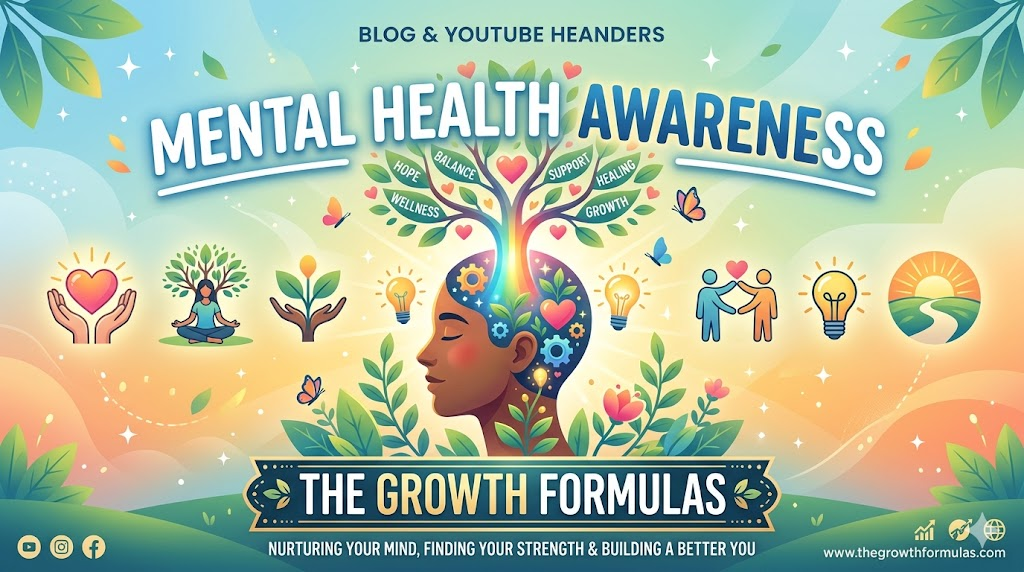
Mental Health Awareness Introduction
In today’s fast-moving world, people often focus only on physical health while ignoring their mental well-being. Stress, anxiety, loneliness, and emotional pressure have become common in daily life. Mental health awareness helps people understand that taking care of the mind is just as important as taking care of the body. By spreading awareness, we can reduce stigma, encourage open conversations, and help more people seek support when needed.
What is Mental Health Awareness?
Mental health awareness means understanding emotional, psychological, and social well-being. It encourages people to recognize mental health challenges, support others, and create a more caring and accepting society. Awareness also teaches that asking for help is a sign of strength, not weakness.
Why Mental Health is Important
Good mental health affects every part of life, including relationships, work performance, confidence, and physical health. When mental well-being is ignored, it can lead to stress, depression, anxiety, and other serious problems. Maintaining a healthy mind helps people handle challenges, make better decisions, and enjoy life more fully.Mental Health Awareness
11 – Practical Ways to Improve Mental Well-Being
1. Connect with Others.

Explanation: Building social connections combats isolation and provides emotional support. NHS research shows “connecting” is key to wellbeing.
Benefits: Improved sense of belonging, reduced stress, increased happiness.
Steps: Schedule a daily check-in (call, text, or coffee) with a friend or family member. Join a club or volunteer locally. Attend community events or online support groups.
Time to Implement: Immediate (start this week). Regular weekly gatherings.
Level: Beginner (easy to start).
2. Be Physically Active.
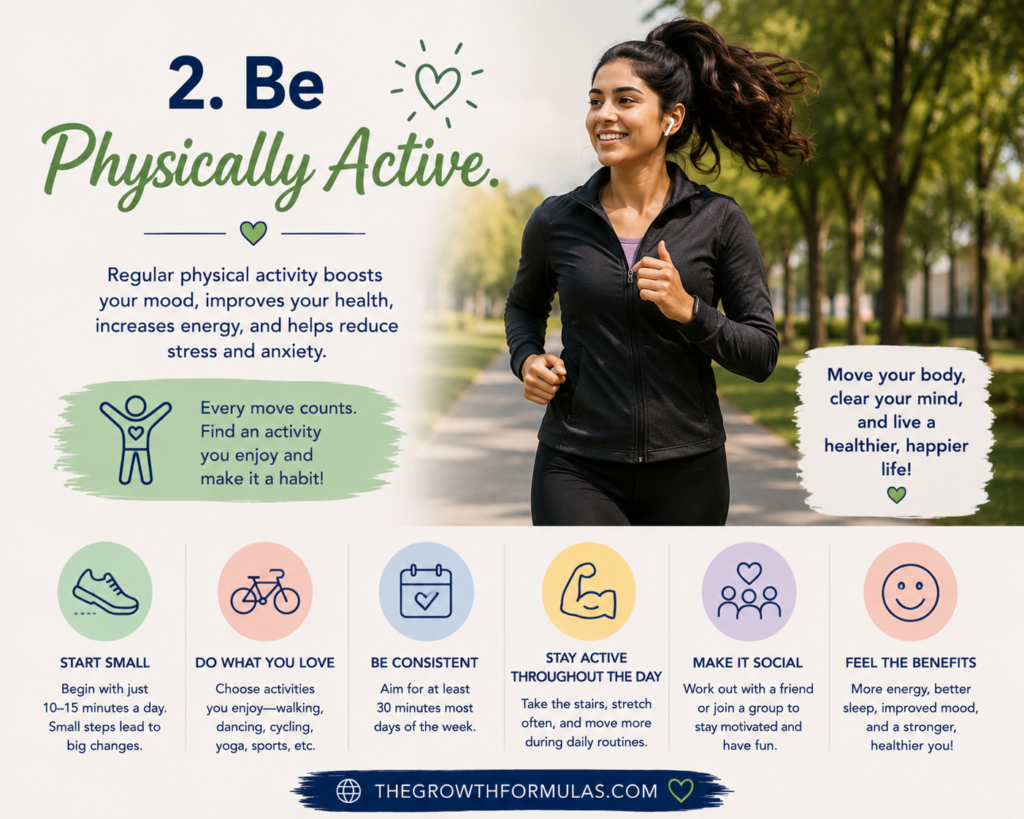
Explanation: Regular exercise boosts mood by releasing endorphins. Even moderate activity (like brisk walking) improves anxiety and self-esteem.
Benefits: Reduced stress and depression, better sleep, increased energy.
Steps: Aim for 30 minutes of moderate exercise (walking, cycling, home workout) at least 3–5 days/week. Use phone reminders or a buddy system to stick to it.
Time: Start now (short walks today). Build into daily routine.
Level: Beginner (you can begin with light activity).Mental Health Awareness
3. Learn New Skills.

Explanation: Engaging in hobbies or learning boosts confidence. NHS notes trying new skills increases achievement and motivation.
Benefits: Sense of accomplishment, improved focus, distraction from worries.
Steps: Choose a small goal (learn a new recipe, language app, craft). Set aside 10–30 minutes weekly for skill-building. Use online tutorials or classes.
Time: Short-term (hours/weeks). Ongoing learning habit.
Level: Beginner/Intermediate (depending on skill).Mental Health Awareness
4. Help Others / Practice Kindness.
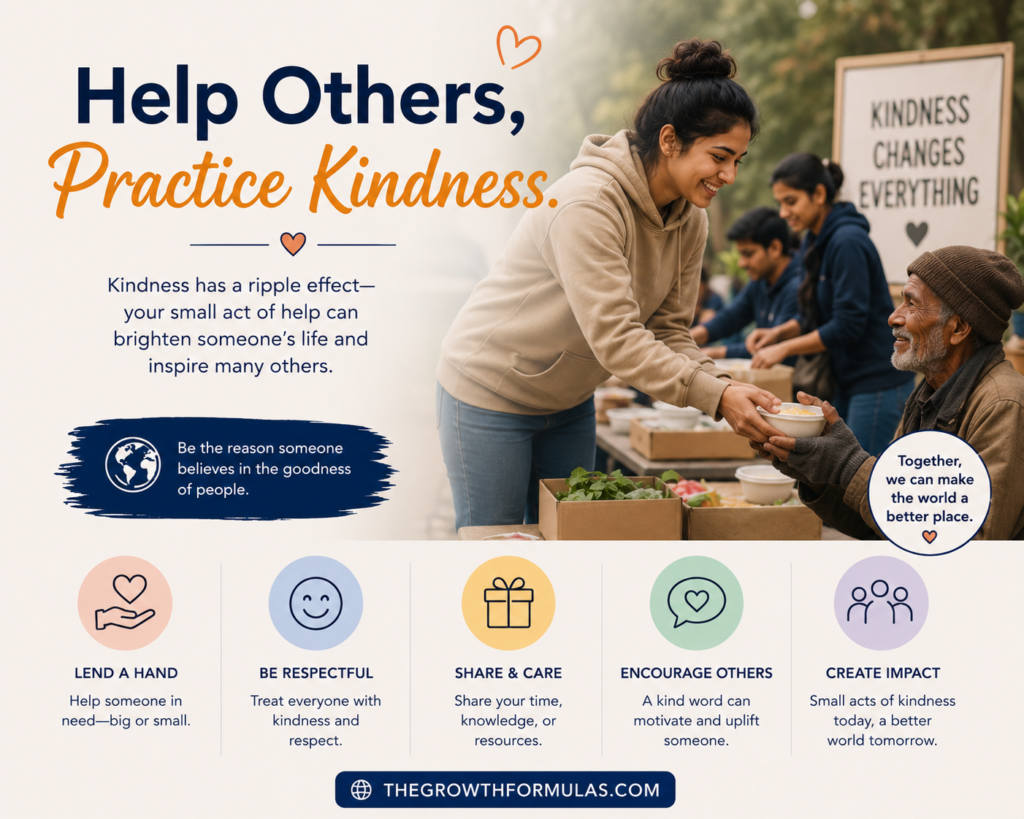
Explanation: Acts of kindness give a sense of purpose. NHS recommends “giving” as a wellbeing step. Kindness releases satisfaction hormones.
Benefits: Improves mood, strengthens community ties, shifts focus outward.
Steps: Volunteer, compliment someone daily, help a colleague or neighbor, donate to charity. Even small acts (holding a door) count.
Time: Immediate (choose one act today). Repeat weekly.
Level: Beginner.
5. Practice Mindfulness and Relaxation.
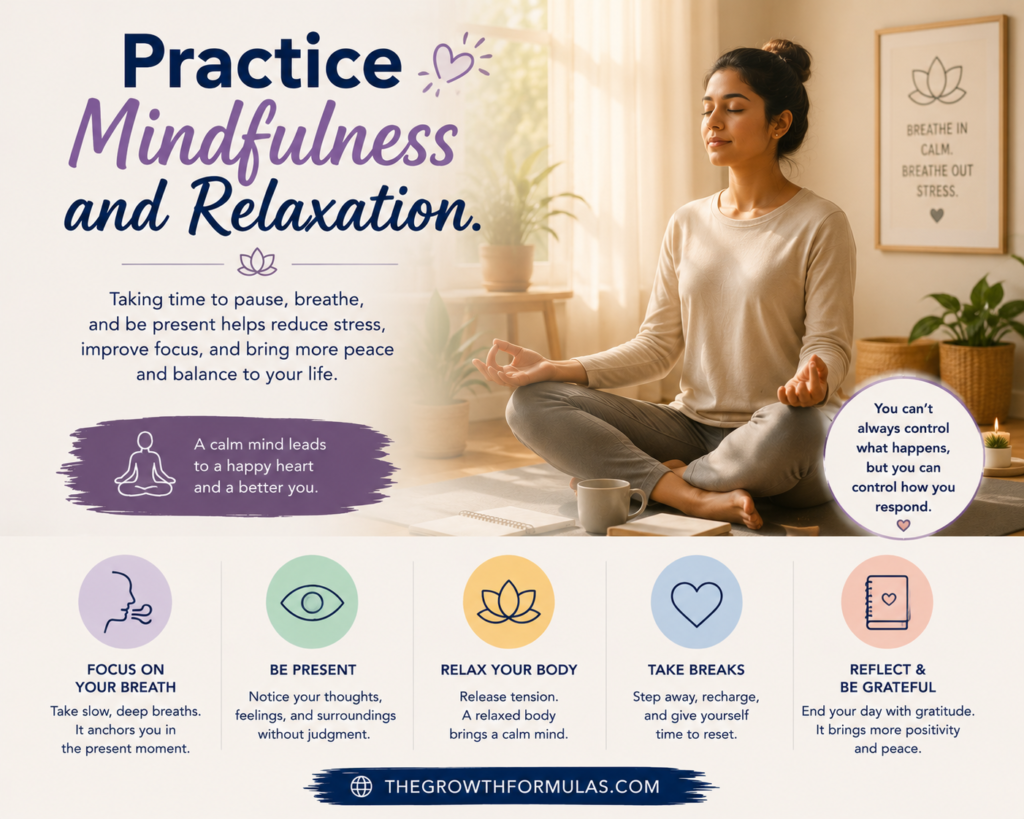
Explanation: Mindfulness (present-focused awareness) reduces rumination. It’s an evidence-based stress reliever.
Benefits: Lower anxiety, improved emotional regulation, greater calm.
Steps: Start with 5 minutes daily of deep breathing or guided meditation (apps like Headspace/Calm). Gradually increase time. Try yoga or tai chi for mindful movement.
Time: Minutes per day (quick to start).
Level: Beginner.
6. Spend Time in Nature.
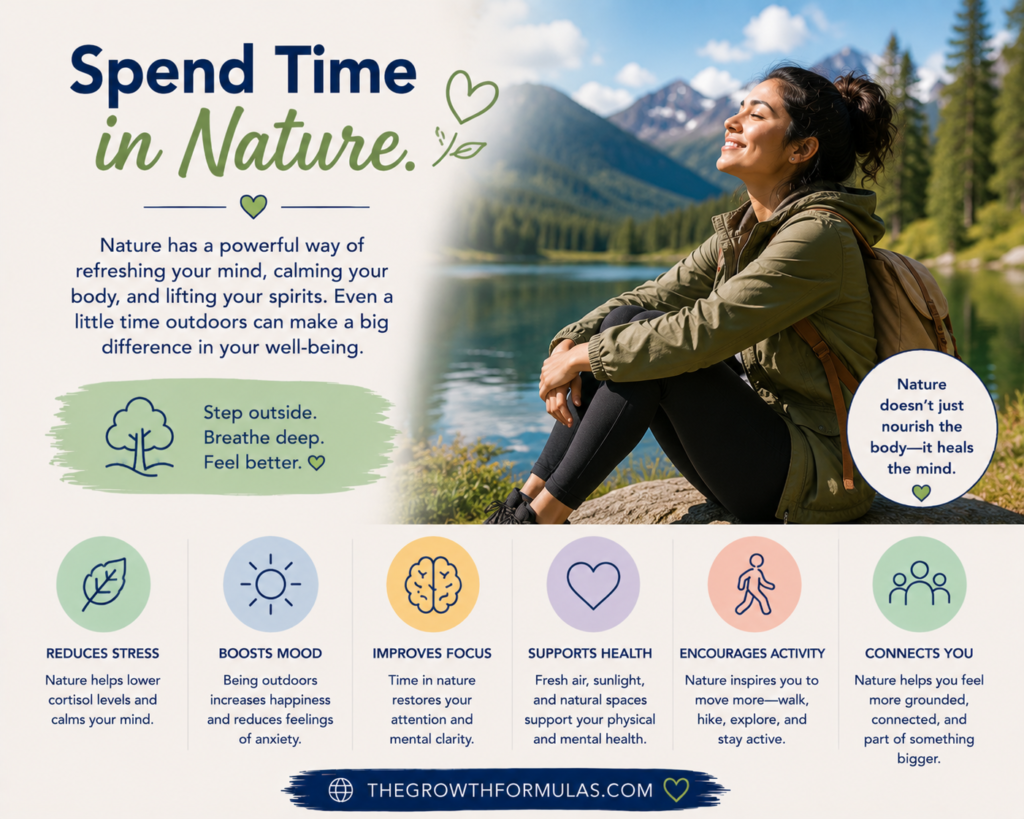
Explanation: Nature walks or green spaces have proven mental benefits. Studies show nature exposure significantly reduces stress.
Benefits: Lower cortisol (stress hormone), improved focus, mood boost.
Steps: Aim for a 15-minute daily outdoor break. Visit a park or walk in a garden/woodland. Even window views of nature help.
Time: Start today (short walk).
Level: Beginner.
7. Prioritize Sleep.
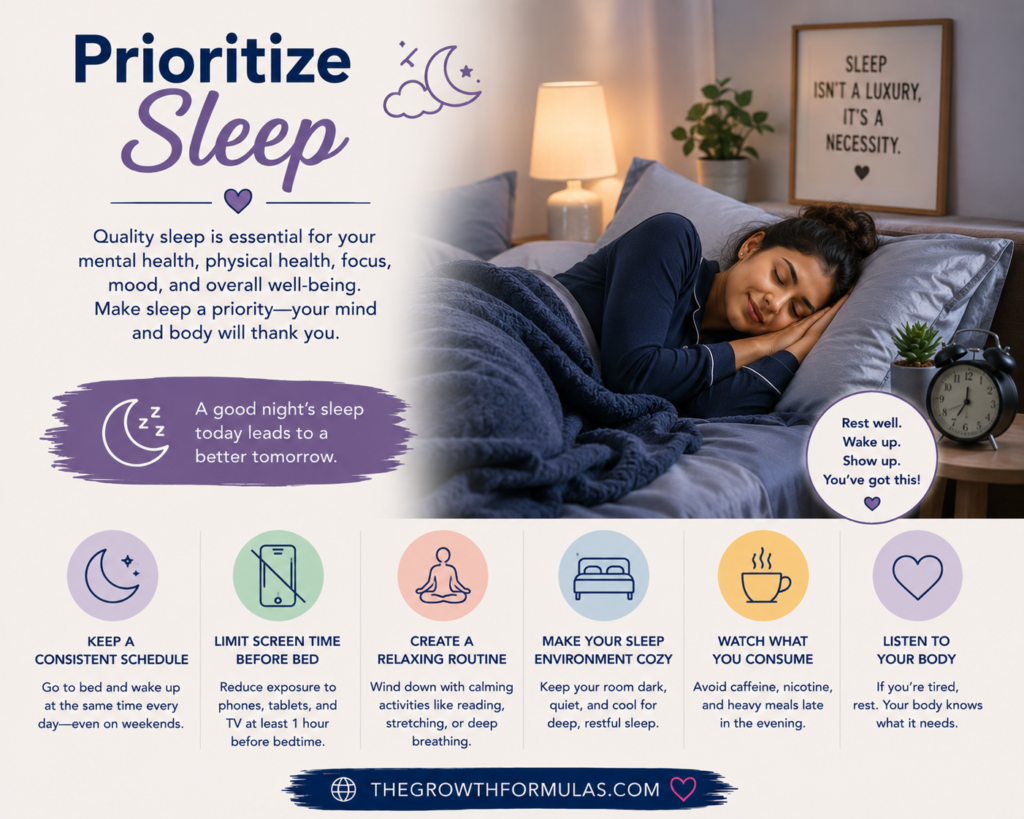
Explanation: Good sleep is foundational to mental health. Mental Health Foundation notes adults need ~7–9 hours.
Benefits: Better mood, sharper thinking, less stress.
Steps: Set a regular bedtime (same time each night). Create a wind-down routine (no screens 1 hour before bed, read or bath). Keep bedroom cool and dark.
Time: Habit to build nightly (days to see benefits).
Level: Beginner.
8. Eat a Balanced Diet.

Explanation: Nutrition affects mood and brain health. Diets rich in whole foods (fruits, veg, lean protein) support stable mood.
Benefits: More energy, better mood swings, less irritability.
Steps: Include vegetables, whole grains, lean proteins, healthy fats daily. Limit sugar and processed foods which spike cortisol. Stay hydrated.
Time: Change one meal or food item this week.
Level: Beginner.
9. Plan Enjoyable Activities.
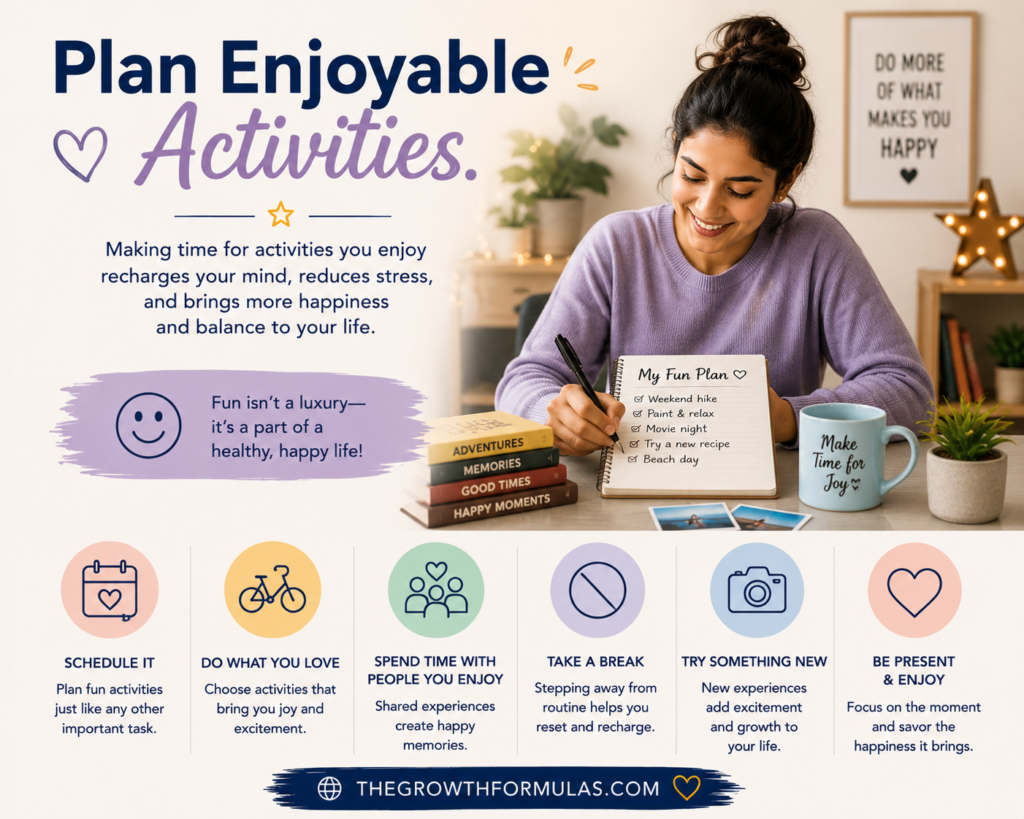
- Explanation: Anticipation of fun events boosts positive feelings. NHS suggests planning treats (a trip, hobby time) lifts mood.
Benefits: Motivation, something to look forward to, breaks monotony.
Steps: Schedule a “fun day” each week (movie night, hobby class, outing). Add short breaks (listening to music, quick dance) in daily routine.
Time: Weekly planning.
Level: Beginner.
10. Talk About Your Feelings.
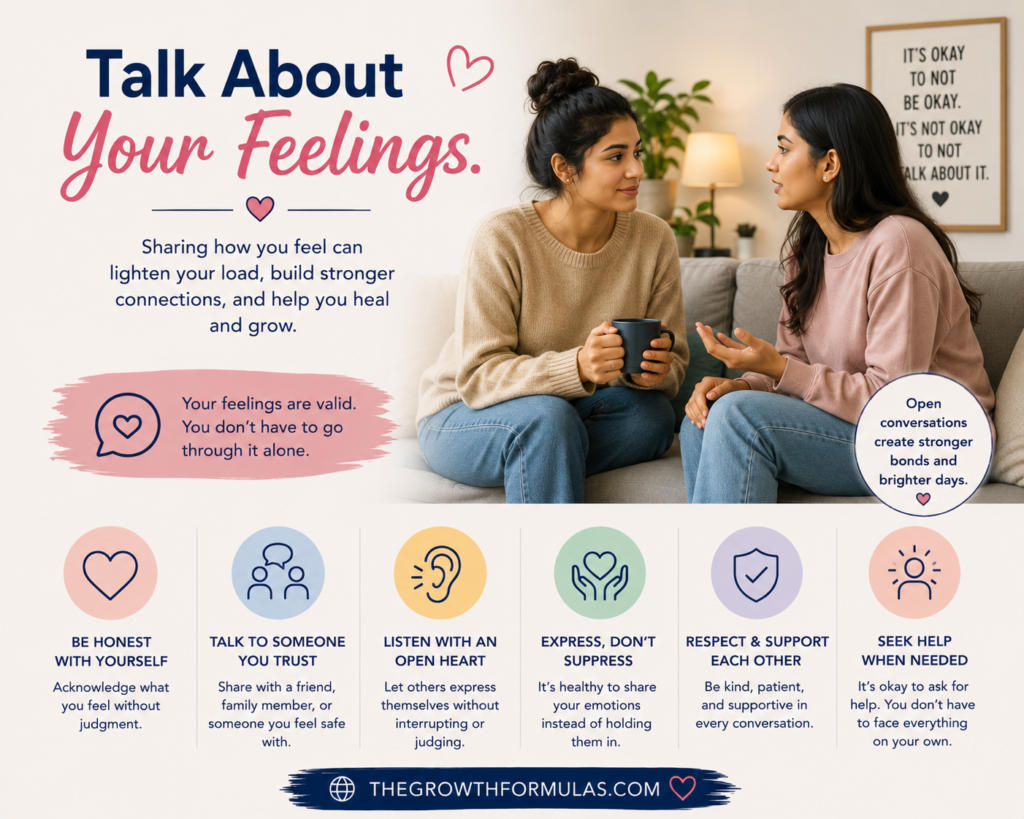
- Explanation: Expressing feelings to trusted friends or professionals relieves emotional burden. MH Foundation encourages talking to break isolation.
Benefits: Reduced stress, perspective, emotional support.
Steps: Share feelings with a friend or family member. Use “I feel…” statements. If struggling, consider seeking a counselor or mental health hotline.
Time: Immediate (reach out when needed).
Level: Beginner (seek support as comfortable).
11. Avoid Unhealthy Coping (Alcohol/Drugs)
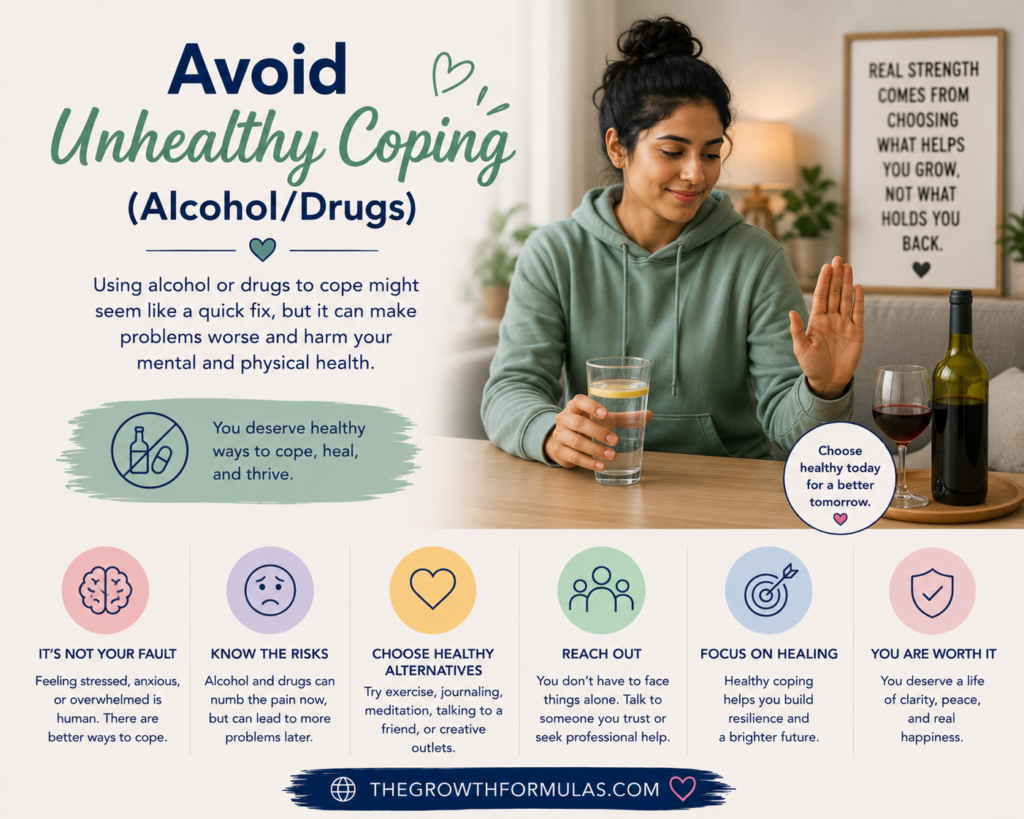
Explanation: Using substances may momentarily numb stress but worsens mental health long-term. MH Foundation warns against using alcohol/drugs as coping.
Benefits: Prevents additional problems, supports brain chemistry.
Steps: If feeling stressed, replace a drink with relaxing tea or exercise. Seek help for substance issues if present (support groups, counseling).
Time: Ongoing vigilance.
Level: Beginner (awareness to advanced if seeking recovery).
Breaking the StigmA –
Many people avoid talking about mental health because of fear or judgment. Mental health awareness helps break these stereotypes and creates a safe environment where people feel comfortable seeking help. Supporting and listening to others can make a huge difference in someone’s life.
Conclusion –
Mental health awareness is essential for building healthier individuals and stronger communities. Small daily habits like staying active, talking openly, practicing mindfulness, and supporting others can greatly improve mental well-being. Remember, caring for your mind is not a luxury – it is a necessity. Taking even one positive step today can lead to a happier and healthier future.Mental Health Awareness: 11 Tips for a Happier Life
Each of these tips is grounded in research and public health guidance. They complement professional care but can benefit anyone seeking better mental well-being.
my other blogs…. click and read.>>>
Why you Feel Tired All the Time
How to Improve Memory Naturally Without Supplements 11 Science-Backed Tips
Why Successful People Read Every Day: 7 Powerful Reasons You Should Too
5 Daily Habits That Rewire Your Brain for Success (Backed by Science)
How to Build Self-Discipline When You Have No Motivation
Why You Overeat: Understanding the 11 Real Reasons Behind Eating More Than You Need
Best Websites to Earn Money Online
https://pin.it/1K8v4BH0I
Why Budgeting Matters: 15 Smart Budgeting Tips Every Beginner Should Know




One Comment