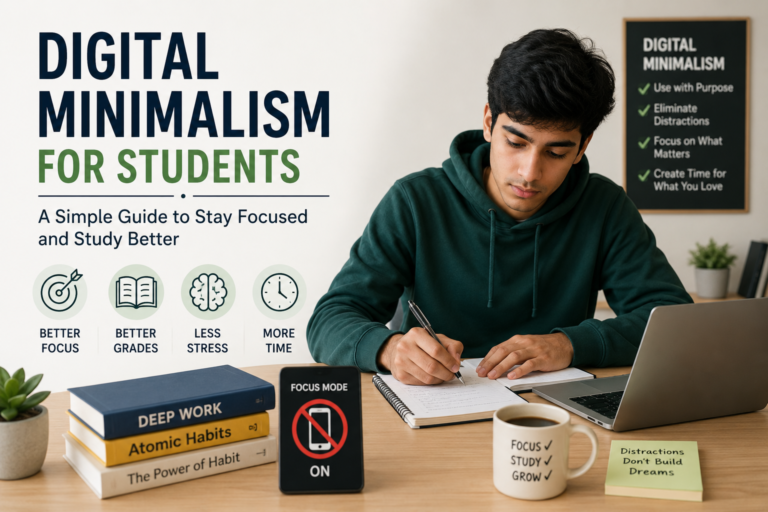

How Free Porn Affects Mental Health ? What Research Says – 5

How Free Porn Affects Mental Health: What Research Says
Introduction
Free online pornography has become easier to access than ever before. Millions of people watch adult content for different reasons, including curiosity, entertainment, stress relief, or sexual exploration. While occasional viewing may not cause problems for everyone, growing research suggests that excessive or compulsive pornography use can affect mental health, relationships, and daily life.
This article explores what scientific research says about free porn and its potential psychological effects, separating myths from evidence.
Understanding Pornography Use
Pornography refers to sexually explicit material intended to arouse viewers. With smartphones and high-speed internet, access is available almost instantly and often without cost.
Researchers emphasize that simply viewing pornography does not automatically lead to mental health problems. Instead, the frequency, personal habits, emotional dependence, and impact on daily functioning are more important factors.
Potential Mental Health Effects
1. Increased Anxiety and Stress
Some studies have found that individuals who use pornography compulsively may experience higher levels of anxiety or emotional distress. Feelings of guilt, secrecy, or conflict with personal values can also contribute to stress.
However, anxiety may both contribute to and result from problematic porn use, making the relationship complex.
2. Depression and Low Mood
Research has identified associations between excessive pornography consumption and symptoms of depression in some individuals. People who rely on porn as a coping mechanism for loneliness or sadness may find that it provides only temporary relief without addressing underlying emotional issues.
It’s important to note that current evidence does not prove that pornography directly causes depression.
3. Reduced Motivation
Some users report spending significant amounts of time consuming pornography, leading to procrastination, disrupted sleep schedules, or reduced productivity. When it interferes with work, education, or personal goals, motivation and overall well-being may decline.
4. Relationship Satisfaction
Heavy pornography use may create unrealistic expectations about intimacy, body image, or sexual performance. In some relationships, secretive or excessive viewing can reduce trust and communication.
Healthy relationships often benefit from open conversations about expectations and boundaries.
5. Compulsive Behavior
A small portion of users may develop compulsive patterns where they feel unable to control their pornography use despite negative consequences. These behaviors can resemble other problematic habits involving reward-seeking and impulse control.
>>>Mental Health Awareness: 11 Tips for a Happier Life<<<
Brain and Reward System
Pornography activates the brain’s reward pathways, releasing chemicals such as dopamine that are associated with pleasure and motivation. Repeated exposure to highly stimulating content may encourage some people to seek increasingly novel material or spend more time viewing it.
Scientists continue to study these mechanisms, and evidence varies between individuals.
Effects on Teenagers and Young Adults
Adolescents may be particularly vulnerable because their brains are still developing. Early or frequent exposure can influence expectations about relationships, consent, body image, and sexuality.
Parents and educators should encourage age-appropriate discussions about healthy relationships, digital literacy, and critical thinking rather than relying solely on restriction.
Signs That Porn Use May Be Becoming Problematic
You may want to evaluate your habits if you notice:
- Difficulty controlling the amount of time spent watching porn.
- Ignoring work, studies, or responsibilities.
- Reduced interest in real-life relationships or activities.
- Feelings of guilt or distress that persist.
- Using pornography as the primary way to cope with emotional problems.
- Repeated unsuccessful attempts to cut back.
Tips for Healthier Digital Habits
If pornography use feels excessive, consider these practical strategies:
- Set daily screen-time limits.
- Avoid browsing when bored or stressed.
- Develop alternative hobbies such as exercise or reading.
- Improve sleep habits and maintain a routine.
- Spend more time on meaningful social interactions.
- Practice mindfulness and stress-management techniques.
- Seek professional support if the behavior feels uncontrollable or causes significant distress.
What Research Still Doesn’t Know About Porn
The scientific community continues to debate many questions surrounding pornography. Most studies show correlations rather than direct causation, making it difficult to determine whether pornography causes mental health problems or whether people experiencing those problems are more likely to use pornography excessively.
Individual experiences differ widely based on personality, culture, relationships, and existing mental health conditions.

Conclusion
Free pornography affects people differently. For many adults, occasional viewing may not create significant issues, while excessive or compulsive use can be associated with anxiety, reduced productivity, relationship difficulties, and emotional distress.
The most important consideration is whether pornography is negatively affecting your daily life, goals, or relationships. Building balanced digital habits and seeking support when needed can contribute to better mental health and overall well-being.
Frequently Asked Questions (FAQ)
Does watching porn always harm mental health?
No. Research does not show that occasional use automatically causes mental health problems. Risk appears to increase when use becomes compulsive or interferes with everyday functioning.
Can pornography cause depression?
Current evidence shows an association in some cases but does not establish direct causation.
Is pornography addictive?
Some people experience compulsive patterns that resemble behavioral addictions, but experts continue to debate how best to classify problematic pornography use.
How can I reduce excessive porn consumption?
Setting boundaries, replacing the habit with healthier activities, limiting triggers, and seeking professional help when necessary can be effective strategies.
Sources
- World Health Organization (ICD-11: Compulsive Sexual Behaviour Disorder)
- Explains the diagnostic framework for Compulsive Sexual Behaviour Disorder (CSBD), which includes persistent patterns of uncontrolled sexual behavior.
- National Center for Biotechnology Information (NCBI) – What should be included in the criteria for compulsive sexual behavior disorder?
- A peer-reviewed review discussing the definition, diagnosis, and research surrounding CSBD.
- National Center for Biotechnology Information (NCBI) – Treatments and interventions for compulsive sexual behavior disorder with a focus on problematic pornography use
- A systematic review examining evidence on problematic pornography use and available treatments.
- World Psychiatry – Compulsive sexual behaviour disorder in the ICD-11
- Describes the inclusion of CSBD in ICD-11 and the rationale behind its classification.