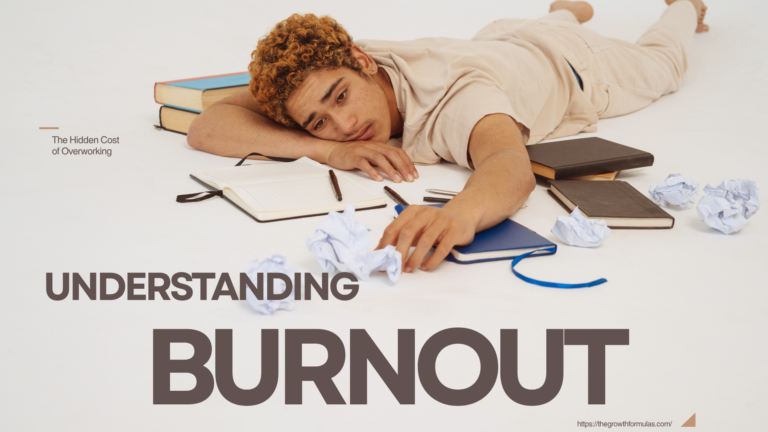

Why you Feel Tired All the Time
why you feel tired all the time
Have you ever slept for 8 hours but still woke up feeling exhausted? Or found yourself struggling to stay awake during work, school, or even while watching TV? If this sounds familiar, you’re not alone. Feeling tired all the time is one of the most common health complaints worldwide.
Occasional tiredness is normal after a busy day or a poor night’s sleep. However, if fatigue becomes part of your daily routine, your body may be trying to tell you something important. The good news is that most causes of constant tiredness can be identified and improved with simple lifestyle changes or proper medical care.
In this article, we’ll explore the most common reasons why you may feel tired all the time and practical ways to regain your energy.

What Does Constant Tiredness Mean?
Feeling tired isn’t just about being sleepy. Fatigue is a state of physical, mental, or emotional exhaustion that doesn’t always improve with rest. It can affect your concentration, mood, productivity, and overall quality of life.
If you’ve been feeling drained for weeks or months, it’s worth looking at your daily habits and overall health.
1. You’re Not Getting Enough Quality Sleep
Sleep is your body’s natural recovery system. During sleep, your brain processes information, repairs tissues, balances hormones, and restores energy.
Even if you’re spending enough time in bed, poor-quality sleep can leave you feeling exhausted the next day.
Signs of Poor Sleep
- Waking up several times during the night
- Difficulty falling asleep
- Feeling sleepy during the day
- Snoring heavily
- Waking up feeling unrefreshed
What You Can Do
- Aim for 7-9 hours of sleep every night.
- Go to bed and wake up at the same time every day.
- Avoid screens at least one hour before bedtime.
- Keep your bedroom cool, dark, and quiet.
2. Chronic Stress Is Draining Your Energy
Stress doesn’t just affect your mind-it also affects your body.
When you’re constantly stressed, your body releases stress hormones like cortisol. Over time, these hormones can interfere with sleep, reduce concentration, and leave you feeling mentally and physically exhausted.
Common Sources of Stress
- Work pressure
- Financial problems
- Family responsibilities
- Relationship issues
- Academic stress
How to Reduce Stress
- Practice deep breathing.
- Exercise regularly.
- Spend time outdoors.
- Talk to someone you trust.
- Take short breaks throughout the day.
3. Your Diet Isn’t Providing Enough Energy
Food is your body’s fuel. If you’re eating too much processed food or skipping meals, your energy levels can drop significantly.
A diet lacking protein, healthy fats, fruits, vegetables, and whole grains may cause fatigue throughout the day.
Energy-Boosting Foods
- Eggs
- Oats
- Greek yogurt
- Bananas
- Nuts
- Fish
- Leafy green vegetables
- Beans
- Brown rice
Try eating balanced meals instead of relying on sugary snacks.
4. You’re Dehydrated
Even mild dehydration can make you feel tired.
Water is involved in nearly every function in your body, including transporting nutrients and oxygen to your cells.
Signs of Dehydration
- Dry mouth
- Headaches
- Dizziness
- Dark-colored urine
- Low energy
Stay Hydrated
Drink water consistently throughout the day instead of waiting until you feel thirsty.
5. Vitamin and Mineral Deficiencies
Certain nutrients are essential for producing energy.
Low levels of iron, vitamin B12, vitamin D, or magnesium may cause constant tiredness.
Common Symptoms
- Weakness
- Pale skin
- Dizziness
- Muscle cramps
- Difficulty concentrating
If fatigue continues despite eating well, consider talking to a healthcare professional about blood tests.
6. Too Much Caffeine
Coffee can temporarily improve alertness, but drinking excessive amounts may eventually make you more tired.
Large amounts of caffeine can interfere with sleep quality, creating a cycle where you rely on more coffee the next day.
Healthy Habits
- Limit caffeine after midday.
- Avoid energy drinks.
- Replace one cup of coffee with water or herbal tea.
7. Lack of Physical Activity
It may seem strange, but not moving enough can actually reduce your energy.
Regular exercise improves blood circulation, strengthens the heart, boosts mood, and increases overall stamina.
Easy Ways to Move More
- Walk for 30 minutes daily.
- Stretch every hour.
- Take the stairs.
- Ride a bicycle.
- Try yoga.
Even light exercise can improve energy within a few weeks.
8. Mental Health Can Affect Energy
Depression and anxiety often cause ongoing fatigue.
People experiencing mental health challenges may sleep too much, too little, or struggle to relax.
Signs
- Constant sadness
- Loss of interest
- Feeling overwhelmed
- Trouble concentrating
- Changes in appetite
Seeking support from a mental health professional can make a significant difference.
9. Underlying Medical Conditions
Sometimes fatigue is caused by a medical condition rather than lifestyle habits.
Some common conditions include:
- Anemia
- Diabetes
- Thyroid disorders
- Sleep apnea
- Heart disease
- Chronic fatigue syndrome
- Kidney disease
If tiredness persists despite healthy habits, it’s important to seek medical advice.
10. Poor Sleep Schedule
Sleeping at different times every day can confuse your body’s internal clock.
Late-night scrolling, binge-watching shows, or staying awake on weekends may disrupt your natural sleep rhythm.
Better Sleep Routine
- Wake up at the same time daily.
- Avoid naps longer than 30 minutes.
- Keep a relaxing bedtime routine.
- Limit screen time before bed.
11. Your Body May Need More Rest
Many people ignore the signs of burnout.
Working long hours without breaks eventually catches up with your body.
Warning Signs
- Constant exhaustion
- Lack of motivation
- Irritability
- Reduced productivity
- Frequent headaches
Taking regular breaks and allowing yourself time to recover is essential for long-term health.
12. Poor Lifestyle Habits
Small daily habits often add up.
These include:
- Smoking
- Excess alcohol
- Skipping breakfast
- Eating too much fast food
- Staying indoors all day
- Spending too much time on screens
Improving even one habit can gradually increase your energy levels.
Simple Ways to Feel More Energetic Every Day
If you’re tired all the time, try these healthy habits:
- Sleep 7–9 hours every night.
- Drink enough water.
- Eat balanced meals.
- Exercise regularly.
- Reduce stress.
- Limit caffeine.
- Spend time in sunlight.
- Maintain a consistent sleep schedule.
- Take short breaks during work.
- Get regular health checkups.
These small changes often produce noticeable improvements within a few weeks.
When Should You See a Doctor?
Occasional tiredness is normal.
However, you should seek medical advice if:
- Fatigue lasts for several weeks.
- You sleep well but still wake up exhausted.
- You experience unexplained weight loss.
- You have chest pain or difficulty breathing.
- You frequently feel dizzy or faint.
- Fatigue interferes with your daily life.
Early diagnosis can help identify underlying health problems before they become more serious.
Final Thoughts
Feeling tired all the time isn’t something you should ignore. While poor sleep, stress, dehydration, and unhealthy eating habits are among the most common causes, persistent fatigue may also signal an underlying medical condition.
The good news is that most people can improve their energy by making healthier lifestyle choices, maintaining a consistent sleep routine, staying hydrated, exercising regularly, and seeking medical advice when necessary.
Instead of simply covering up fatigue with more coffee or energy drinks, focus on identifying the root cause. Your body works hard every day-and when it asks for rest or care, it’s worth listening.Have you ever slept for 8 hours but still woke up feeling exhausted? Or found yourself struggling to stay awake during work, school, or even while watching TV? If this sounds familiar, you’re not alone. Feeling tired all the time is one of the most common health complaints worldwide.
Occasional tiredness is normal after a busy day or a poor night’s sleep. However, if fatigue becomes part of your daily routine, your body may be trying to tell you something important. The good news is that most causes of constant tiredness can be identified and improved with simple lifestyle changes or proper medical care.
In this article, we’ll explore the most common reasons why you may feel tired all the time and practical ways to regain your energy.
How to Build Self-Discipline When You Have No Motivation
What Does Constant Tiredness Mean?
Feeling tired isn’t just about being sleepy. Fatigue is a state of physical, mental, or emotional exhaustion that doesn’t always improve with rest. It can affect your concentration, mood, productivity, and overall quality of life.
If you’ve been feeling drained for weeks or months, it’s worth looking at your daily habits and overall health.
1. You’re Not Getting Enough Quality Sleep
Sleep is your body’s natural recovery system. During sleep, your brain processes information, repairs tissues, balances hormones, and restores energy.
Even if you’re spending enough time in bed, poor-quality sleep can leave you feeling exhausted the next day.
Signs of Poor Sleep
- Waking up several times during the night
- Difficulty falling asleep
- Feeling sleepy during the day
- Snoring heavily
- Waking up feeling unrefreshed
What You Can Do
- Aim for 7-9 hours of sleep every night.
- Go to bed and wake up at the same time every day.
- Avoid screens at least one hour before bedtime.
- Keep your bedroom cool, dark, and quiet.
2. Chronic Stress Is Draining Your Energy
Stress doesn’t just affect your mind-it also affects your body.
When you’re constantly stressed, your body releases stress hormones like cortisol. Over time, these hormones can interfere with sleep, reduce concentration, and leave you feeling mentally and physically exhausted.
Common Sources of Stress
- Work pressure
- Financial problems
- Family responsibilities
- Relationship issues
- Academic stress
How to Reduce Stress
- Practice deep breathing.
- Exercise regularly.
- Spend time outdoors.
- Talk to someone you trust.
- Take short breaks throughout the day.
3. Your Diet Isn’t Providing Enough Energy
Food is your body’s fuel. If you’re eating too much processed food or skipping meals, your energy levels can drop significantly.
A diet lacking protein, healthy fats, fruits, vegetables, and whole grains may cause fatigue throughout the day.
Energy-Boosting Foods
- Eggs
- Oats
- Greek yogurt
- Bananas
- Nuts
- Fish
- Leafy green vegetables
- Beans
- Brown rice
Try eating balanced meals instead of relying on sugary snacks.
4. You’re Dehydrated
Even mild dehydration can make you feel tired.
Water is involved in nearly every function in your body, including transporting nutrients and oxygen to your cells.
Signs of Dehydration
- Dry mouth
- Headaches
- Dizziness
- Dark-colored urine
- Low energy
Stay Hydrated
Drink water consistently throughout the day instead of waiting until you feel thirsty.
5. Vitamin and Mineral Deficiencies
Certain nutrients are essential for producing energy.
Low levels of iron, vitamin B12, vitamin D, or magnesium may cause constant tiredness.
Common Symptoms
- Weakness
- Pale skin
- Dizziness
- Muscle cramps
- Difficulty concentrating
If fatigue continues despite eating well, consider talking to a healthcare professional about blood tests.
6. Too Much Caffeine
Coffee can temporarily improve alertness, but drinking excessive amounts may eventually make you more tired.
Large amounts of caffeine can interfere with sleep quality, creating a cycle where you rely on more coffee the next day.
Healthy Habits
- Limit caffeine after midday.
- Avoid energy drinks.
- Replace one cup of coffee with water or herbal tea.
7. Lack of Physical Activity
It may seem strange, but not moving enough can actually reduce your energy.
Regular exercise improves blood circulation, strengthens the heart, boosts mood, and increases overall stamina.
Easy Ways to Move More
- Walk for 30 minutes daily.
- Stretch every hour.
- Take the stairs.
- Ride a bicycle.
- Try yoga.
Even light exercise can improve energy within a few weeks.
8. Mental Health Can Affect Energy
Depression and anxiety often cause ongoing fatigue.
People experiencing mental health challenges may sleep too much, too little, or struggle to relax.
Signs
- Constant sadness
- Loss of interest
- Feeling overwhelmed
- Trouble concentrating
- Changes in appetite
Seeking support from a mental health professional can make a significant difference.
9. Underlying Medical Conditions
Sometimes fatigue is caused by a medical condition rather than lifestyle habits.
Some common conditions include:
- Anemia
- Diabetes
- Thyroid disorders
- Sleep apnea
- Heart disease
- Chronic fatigue syndrome
- Kidney disease
If tiredness persists despite healthy habits, it’s important to seek medical advice.
10. Poor Sleep Schedule
Sleeping at different times every day can confuse your body’s internal clock.
Late-night scrolling, binge-watching shows, or staying awake on weekends may disrupt your natural sleep rhythm.
Better Sleep Routine
- Wake up at the same time daily.
- Avoid naps longer than 30 minutes.
- Keep a relaxing bedtime routine.
- Limit screen time before bed.
11. Your Body May Need More Rest
Many people ignore the signs of burnout.
Working long hours without breaks eventually catches up with your body.
Warning Signs
- Constant exhaustion
- Lack of motivation
- Irritability
- Reduced productivity
- Frequent headaches
Taking regular breaks and allowing yourself time to recover is essential for long-term health.
12. Poor Lifestyle Habits
Small daily habits often add up.
These include:
- Smoking
- Excess alcohol
- Skipping breakfast
- Eating too much fast food
- Staying indoors all day
- Spending too much time on screens
Improving even one habit can gradually increase your energy levels.
How to Improve Memory Naturally Without Supplements 11 Science-Backed Tips
Simple Ways to Feel More Energetic Every Day
If you’re tired all the time, try these healthy habits:
- Sleep 7–9 hours every night.
- Drink enough water.
- Eat balanced meals.
- Exercise regularly.
- Reduce stress.
- Limit caffeine.
- Spend time in sunlight.
- Maintain a consistent sleep schedule.
- Take short breaks during work.
- Get regular health checkups.
These small changes often produce noticeable improvements within a few weeks.
When Should You See a Doctor?
Occasional tiredness is normal.
However, you should seek medical advice if:
- Fatigue lasts for several weeks.
- You sleep well but still wake up exhausted.
- You experience unexplained weight loss.
- You have chest pain or difficulty breathing.
- You frequently feel dizzy or faint.
- Fatigue interferes with your daily life.
Early diagnosis can help identify underlying health problems before they become more serious.
Final Thoughts
Feeling tired all the time isn’t something you should ignore. While poor sleep, stress, dehydration, and unhealthy eating habits are among the most common causes, persistent fatigue may also signal an underlying medical condition.
The good news is that most people can improve their energy by making healthier lifestyle choices, maintaining a consistent sleep routine, staying hydrated, exercising regularly, and seeking medical advice when necessary.
Instead of simply covering up fatigue with more coffee or energy drinks, focus on identifying the root cause. Your body works hard every day-and when it asks for rest or care, it’s worth listening.
Sources
- World Health Organization (WHO): https://www.who.int/
- National Institutes of Health (NIH): https://www.nih.gov/